Those Unshod

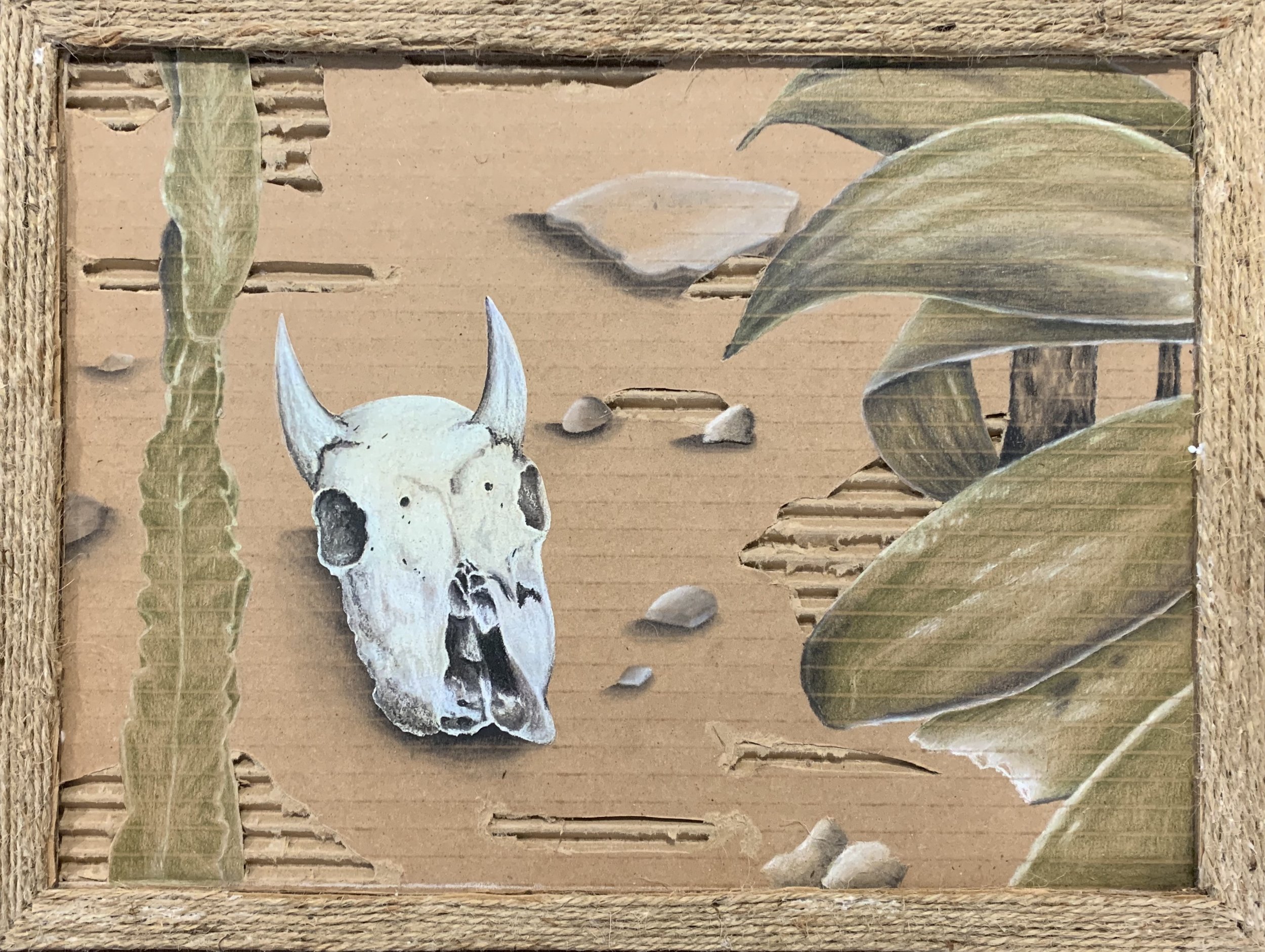
Photo by Rachel Van Doren (2019 archive)
To the right of the stage in an old bar on Broadway lies a divot in the floor, which you may find your heel slips into. It is a place where wood has been weathered by thousands of feet before yours, feet which have danced rhythms not unlike the one you dance to now. I find my right foot fits best, but the wood has no preference. It simply invites, embraces, and gently caresses the soft sole of your foot.
I frequented the bar for live music on Monday evenings. It was the first place I had stumbled into when I moved to Nashville, and I’d found myself stuck there ever since. It took two years of Monday nights before I danced barefoot on this floor; prior to that, removing the only barrier between my skin and the hardwood felt filthy and improper. I clung to my shoes out of habit, or perhaps out of some desire to appear stable, grounded (how ironic!). I frowned upon those unshod; I’d catch myself glancing at the bottoms of their feet, recoiling at the dirt which had caked itself onto their skin. I looked down upon them, for they were unapologetic—skipping and twirling about as if they weren’t subjecting everyone in the room to the sight (and smell) of their exposed toes. I mocked them, but only because I admired them, envied them, even—for they were free in a way I could not understand.
I wonder when it is that we lose our freedom. Is it the first day of school (certainly they make you keep your shoes on there)? Is it the day you leave home? The day you owe your first rent payment, or the first installment of your student loans? Could it be the day you get married, or the day you welcome your first child? Often, we associate freedom with childhood and consequently, mistake being free for being childish. When I was a child, I wrote garish songs and sang them loudly and without apology. I ran through the vegetable garden naked and ate green beans straight from the vine. I kissed my parents on the lips. At what point do these behaviors become unacceptable, inappropriate, unholy? Do we just intrinsically know to quit them one day, when the clock within our soul strikes a certain hour? Or do we wean off of them as if they are some kind of pacifier, pronouncing adulthood when we finally throw them away?
I wonder, too, when we begin to mistake cleanliness for goodness. Somewhere along the way, the polished surface becomes holy, and the worn, wild, and unkempt becomes shameful. We begin to believe purity can be seen in straight edges and proper behavior, and that anything otherwise must be hiding something rotten. In this belief, we scrub away that which makes us human, trading the sacred messiness of life for the illusion of flawless spaces in which we have been conditioned to feel safe.
The bar floor feels forbidden in its dirtiness—not because it is truly filthy, but because it defies the conditions of an inerrant life. It dares to exist without pretense and refuses to be corrected. To allow yourself to touch it is to invite the rebellion inside of you, to approach your questions about what is worthy. In the dirt, you may find something sacred—dirt which has been carried in on the shoes of hundreds of strangers, which you bring home on the sole of your shoe or of your bare foot, whether you wish to or not. Here we see a continual sharing of the smallest specks of one another’s lives, a connection unbothered by societal constraints or the apparent morality of cleanliness.
For two years, I stood on the brink of that connection, unaware of its closeness. I was teetering over the edge, leaning down to look… until I finally fell, to meet the floor on its own terms. It happened quietly and without ceremony. I hadn’t planned to do it—certainly if I had, I would have at least fixed the chipping blue paint on my toenails, which I had been letting grow for a few days too long. There was no sudden burst of bravery or declaration of rebellion. I simply slipped off my sandals, one, then the other, and took to the dance floor. The hardwood met my skin with an unexpected tenderness. It wasn’t cold or sticky or repulsive in the ways I had imagined. It was warm and rich with memory, and it gave a little under my weight, as if it had been expecting me. From the stage, rhythmic vibrations flowed through the floor and rose into me through the soles of my feet, inviting me to dance. I felt my body begin to move.
All at once, I was aware of the absurdity of keeping myself separate—from the floor, from the music, from my own body. It was not filthiness that I had been protecting myself from, but intimacy. The floor had not become cleaner. Going barefoot was not all of a sudden an accepted societal norm. I had not made myself any less vulnerable; yet I could not shake the feeling that I was free in ways I hadn’t been before.
I look here for answers to my questions about freedom and find it slightly amusing that the dance floor of an old bar on Broadway is one of the few places I know to be free. The intersection of freedom and sanctity remains present in the unapologetic joy of movement—the sweat, the noise, and the closeness of strangers. It travels outside with us as we “forget” to put our shoes back on for smoke breaks, and our soles make a mecca from hardwood to concrete. It lingers in cigarette filters, which are passed from one mouth to another in a sort of unholy communion, settles on our skin and in our hair, and is carelessly washed down a shower drain at the end of the night. So ends the cycle of sanctity—of shedding and returning. It will begin again next Monday.
The divot in the floor is darker than the rest of the hardwood. I wonder how this spot became holy. At its inception, it would have looked and felt no different than the rest of the floor, and yet somehow it has been chosen, over and over again, and has shaped itself to those who have chosen it. It calls and invites us now, almost a reminder that we are meant to be here—that what is sacred is everything we touch and that which touches us.